



Link copied

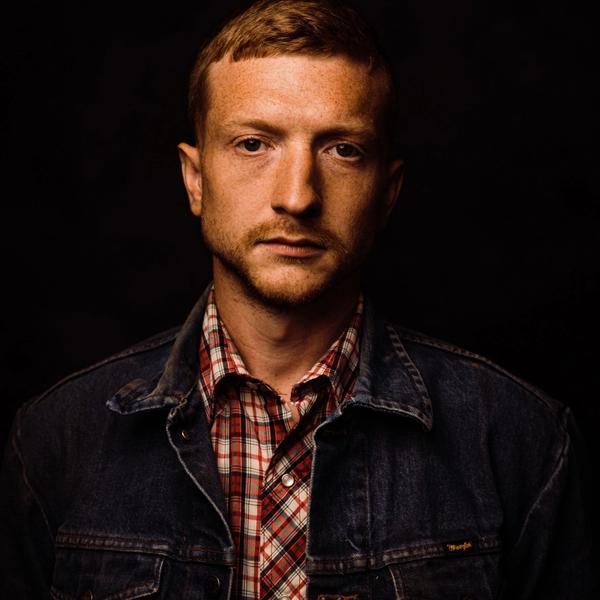
Newport Folk Festival has been a beacon of light for good folk and country music for decades. This year, Tyler Childers spoke with the Festival for their “Sea to Shining Sea” series. As an artist who tends to keep his interviews minimal and his private life private, Childers made a rare and powerful appearance to speak on exactly why music is so important.
Speaking about everything from John Prine to his entry point into the music industry, to his career defining protest album Long Violent History, the interview serves as a pertinently brief summary of exactly who Childers is as an artist.
“If I had to start all over again, I wouldn’t even know where to start,” Childers said with a smile as he reminisced on his beginnings in the music industry. “The only answer I knew was, I have to get out and gig”. Suggesting that people are getting tired of the “superficiality” of a music industry that relies on viral videos and following trends, Childers dug into the roots of what music - and particularly folk music - is all about.
Although primarily categorised as a country singer, there's no doubt that Childers has a folk identity. With a slight shake in his voice, Childers told Newport why he sees John Prine as the folk hero he is and what that means for songwriters like himself. “I think our hope as songwriters is to be able to give the people that listen that hug when we’re not physically there,” Childers said when recalling how Prine’s music brought him comfort after the passing of his grandfather. “I’ve met a lot of people that ‘Follow You To Virgie’ has done that for… I’m blessed to have been able to do that for people’s lives.”
The track captures the importance of the nostalgia and safety that the artist feels for his Eastern Kentucky home, told through the heartbreaking passing of his friend’s grandmother. The track has long been a fan-favourite for those local fans who relate to the Appalachian roots, and for those much further afield. As Childers suggests, music offers a way for people to connect over a shared love for something, not necessarily a shared opinion.
As he moved into speaking on Long Violent History, his 2020 protest album that speaks on prevalent issues of racism in the United States, Childers acknowledged that the album “ruffled some feathers”. The album was written in the midst of the Black Lives Matter protests and brings topics that often go unaddressed into traditional Appalachian bluegrass music. As a native of Eastern Kentucky, Childers has had a rural audience from the beginning, in the interview he spoke on his hope to be able to connect with his audience and talk to them about the importance of social and political issues that go beyond Appalachia.
“Hopefully the relationship that I’ve created with those people who listen to me has given me that space to just touch on some things: ‘Hey, we’re all here together, but some things aren’t cool and here’s why’,” the ‘All Your’n’ singer-songwriter explained.
In his opinion, music has a way of bridging a political or social gap between people, sharing a musical experience takes away from the animosity that people of differing values have towards each other, instead allowing an opportunity to find common ground in something they love. “That entry point allows for both sides to disarm themselves and start being less concerned about the foreign policy and just ask… how’s your mom?”
Ending the interview on a hopeful note, Childers stated that “music is a medicine to allow us to see those things in life that affect all of us, no matter what”. The ‘Bitin List’ crooner will likely continue to find his grounding in his beloved live shows, wanting to offer space for people to connect and recognise the humanity in each other. Surely, above all else, that’s what folk music is supposed to be.